
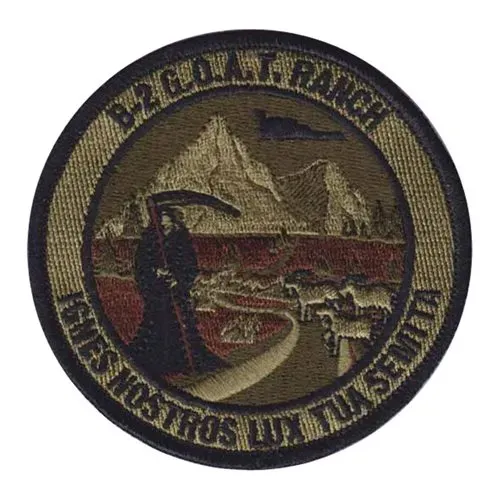
The Custom Patch Program is a powerful branding tool that turns apparel into a canvas for storytelling. Throughout teams, events, and product lines, embroidered patches offer tactile branding that customers and staff can notice and wear. This approach unites visuals, texture, and meaning to reinforce a cohesive identity. Durable materials, thoughtful sizing, and secure backing decisions ensure patches stay vibrant through wear and washing. In this overview, we’ll cover design, production, QA, and rollout tips to maximize impact.
Seen through the lens of a patch initiative, this strategy harmonizes production with storytelling. Instead of generic mass production, focus on scalable design concepts, efficient sourcing, and a phased rollout that preserves value. Treat patches as emblematic assets: badges of belonging for teams, customers, and partners alike. Choose backing options that match use cases—iron-on for quick deploy, sew-on for durability, or Velcro for updates. Track success through metrics that matter to brand equity, such as engagement, repeat purchases, and earned media. With careful planning, a well-managed program becomes a wearable narrative that extends beyond apparel. Begin with a clear brief, select a reputable maker, and map a rollout that scales.
1) Custom Patch Program: Strategic Foundations for Brand Merchandise and Employee Programs
A Custom Patch Program serves as a strategic branding tool that unifies teams, acknowledges milestones, and turns customers into brand ambassadors. By leveraging embroidered patches as versatile assets, brands can extend their identity across uniforms, event swag, and merchandise—strengthening patch branding while boosting recognition and loyalty.
To start strong, define the program’s purpose, target audience, and measurable goals. Align the patch design and rollout with your brand guidelines and product roadmap so the initiative scales across different lineups and channels. Clear objectives—such as patches distributed per quarter or a cost-per-patch ceiling—help optimize the balance between design impact and budget within your broader brand merchandise strategy.
2) Designing for Impact: Custom Patch Design and Embroidered Patches Aesthetics
Design is where a patch becomes a brand statement. Select patch types (embroidered vs PVC), backing options (iron-on, sew-on, Velcro), and shapes that reflect your brand personality. Prioritize color accuracy with Pantone-matched threads to maintain consistency across batches, and consider edge finishes like merrowed or laser-cut to achieve the desired texture and durability for embroidered patches.
Infuse branding storytelling into the design by including a concise tagline or icon that resonates with your brand narrative. Ensure legibility by sizing text appropriately and testing contrast on typical fabrics. A thoughtful, cohesive approach to custom patch design enhances patch branding and makes each patch feel like a deliberate piece of your brand merchandise.
3) Production Pathways: Patch Manufacturing Choices, Materials, and Quality Control
Choosing the right patch manufacturing partner is critical. Conduct supplier evaluations based on certifications, embroidery capability, and transparent pricing. Request production samples to assess stitch quality, backing adhesion, and color fidelity, and clarify minimum order quantities and lead times to prevent delays.
Material selection and durability are central to a reliable patch program. Decide between thread types (polyester versus rayon), backing materials, and adhesive strength based on how patches will be worn or used. Implement a robust quality control process—pre-production approvals, second-pick inspections, and final QA—to ensure consistency and sustainability considerations, such as eco-friendly threads and recyclable packaging where appropriate.
4) Cost, ROI, and Value: Budgeting for Your Patch Branding Initiative
Understanding costs is essential for a viable patch program. Plan tiered pricing by quantity, account for setup and digitizing fees, and consider backing options and packaging when calculating the unit cost. A clear cost structure supports informed decisions about pricing, distribution, and how patches fit into your patch branding budget.
Beyond per-piece economics, measure the impact of patches on brand merchandise goals. Track metrics like social mentions, event engagement, and customer or employee sentiment to quantify the patch program’s effect on brand equity. Thoughtful packaging and presentation can elevate perceived value, boosting retail appeal and reinforcing your brand narrative.
5) Launch Strategy: Rollout, Distribution, and Brand Merchandise Integration
A well-planned rollout alignment ensures patches reach the right audiences. Roll patches out to employees first to foster belonging and test wearability, then extend to events, ambassadors, and customer programs. Decide on distribution channels—shipping with orders, including in loyalty packages, or selling patches separately—and plan for effective visual merchandising.
Integrate patches with brand merchandise across product lines and marketing campaigns. Use compelling product photography to showcase texture, stitching, and finish, and create cross-promotion opportunities with apparel brands and retailers. Thoughtful integration reinforces patch branding and creates cohesive brand merchandise experiences for fans and customers.
6) Measuring Impact: KPIs, Storytelling, and Case Study Learnings for Custom Patches
Measuring the success of a patch program centers on meaningful KPIs. Track units sold or distributed, engagement metrics, and social sentiment to gauge reach and resonance. Tie results back to overarching brand objectives—such as loyalty, advocacy, or product adoption—to quantify the patch program’s impact within your patch branding strategy.
Learn from real-world outcomes by documenting case studies and iterative learnings. Analyzing what worked—design choices, backings, or distribution methods—helps refine future campaigns. Use these insights to optimize custom patch design, patch manufacturing processes, and rollout plans, ensuring each new edition reinforces your brand merchandise goals and drives steady growth.
Frequently Asked Questions
What is a Custom Patch Program and how do embroidered patches fit into patch branding for a brand?
A Custom Patch Program is a planned approach to designing, producing, and distributing patches that reflect your brand. Embroidered patches are durable, classic assets that reinforce brand identity across apparel and gear. When aligned with brand guidelines, patch branding can boost recognition, support brand merchandise goals, and turn teams, ambassadors, and customers into walking brand advocates.
How do I start the design phase in a Custom Patch Program to create standout custom patch designs?
Define the patch’s purpose and audience, then choose patch type (embroidery is the most common), shape, size, and colorways. Use Pantone-matched threads for color accuracy, ensure legibility at patch size, and create a design brief that aligns with brand guidelines and product lines.
What patch manufacturing considerations are essential when planning a Custom Patch Program?
Evaluate patch manufacturers for embroidery capability, quality control, and transparent pricing. Request samples to test stitch quality, backing adhesion, and color accuracy; confirm minimums and lead times; and choose backing options (iron-on, sew-on, or Velcro) based on how the patches will be used.
How can a Custom Patch Program enhance brand merchandise and patch branding across channels?
Use patches as limited-edition items, event swag, or bundle adds-ons to boost perceived value. Strong patch branding tells a story, enables cross-promotion with apparel or influencers, and expands reach through retail, online stores, or loyalty programs.
What cost considerations and ROI should I track for a Custom Patch Program?
Account for unit costs at different quantities, digitizing/setup fees, backing, packaging, and shipping. Track patches distributed, units sold, customer engagement, social mentions, and repeat purchases to quantify brand impact and ROI.
What are best practices to launch and scale a Custom Patch Program for brand merchandise?
Define launch goals and target channels, partner with a trusted patch manufacturer, finalize the custom patch design, and choose durable backings. Roll out in phases (internal, events, storefronts) with strong visual merchandising and monitor feedback and metrics to iterate.
| Aspect | Key Points |
|---|---|
| What is a Custom Patch Program? | A planned approach to creating, producing, and distributing patches that reflect your brand values and visual identity, including patch types (embroidery, embroidery with heat-seal backing, PVC), backings (iron-on, velcro, sew-on), sizes, colorways, and marketing usage. It should align with brand guidelines and be scalable across product lines. |
| Planning: Brand, Audience, and Goals | Define purpose (employee uniforms, event swag, loyalty rewards, or limited-edition merchandise); align with brand assets (logo, color palette, typography, mascots); understand audience; set measurable goals (distribution targets, cost-per-patch, milestones). |
| Design Considerations for a Standout Patch | Patch type/backing options (embroidery for classic, PVC for modern); shape/size and legibility; color accuracy with Pantone-matched threads; edges/finishing (merrowed vs laser-cut); branding ingenuity (tags or icons that reinforce brand story). |
| Production and Sourcing | Evaluate suppliers (certifications, embroidery capability, pricing); define minimums/lead times; select materials for durability; implement QA (pre-prod sample, inspections); consider sustainability (eco-friendly threads, recyclable packaging). |
| Cost Considerations and ROI | Understand unit cost by quantity (tiered pricing); account for setup/digitizing and backing; compare iron-on vs sew-on vs velcro; plan packaging/presentation; track ROI with metrics like mentions, engagement, and morale. |
| Launching the Patch Program: Logistics and Rollout | Internal alignment (patches for employees first); use as event/ambassador swag; offer patches as add-ons or limited bundles; decide shipping/distribution channels; invest in visual merchandising and product photography to showcase texture and finish. |
| Quality Assurance, Compliance, and Longevity | Material testing (colorfastness, backing adhesion, wash resistance); ensure consistency across lots; conduct durability tests; address branding rights and licensing compliance when applicable. |
| Marketing, Storytelling, and Measuring Success | Use patches to tell brand stories (milestones, campaigns); pursue cross-promotion with partners; track KPIs like units sold, patches distributed, engagement, and repeat purchases. |
| Common Pitfalls to Avoid | Overcomplicating design, underestimating lead times, mismatched colors, poor packaging, and not prioritizing end-user needs. |
Summary
HTML table explaining the key points of the base content in English.