
The Ultimate Patch Showdown
Choosing the perfect embellishment for your apparel or gear can be challenging when faced with multiple excellent manufacturing options. Two of the most popular choices dominating the custom merchandise industry today are modern PVC Patches and classic Embroidered Patches. Each style offers distinct visual aesthetics, varying levels of durability, and completely different production methods. Understanding these core differences is essential for brands, military units, and sports teams wanting to elevate their uniforms. By comparing their unique characteristics, you can make an informed decision that perfectly aligns with your specific design requirements and budget constraints.
Understanding Traditional Thread
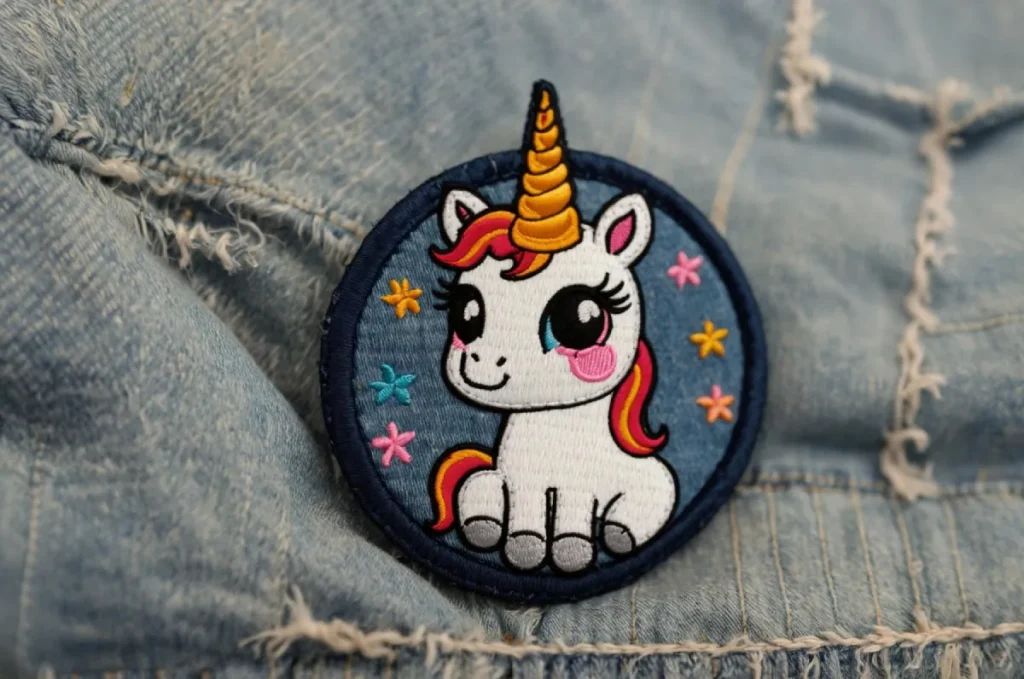
For decades, classic Embroidered Patches have been the undisputed industry standard for custom apparel branding. This traditional method uses thick, colorful threads stitched tightly onto a sturdy fabric backing to create the desired logo or image. The result is a classic, textured appearance that carries a distinct vintage charm and widespread universal recognition. They are incredibly cost-effective to produce in large quantities and remain lightweight enough to apply to delicate clothing without causing fabric sagging. This timeless aesthetic makes them highly sought after by corporate businesses, scout troops, and casual fashion brands alike.
The Modern Appeal of Rubberized Designs
In contrast to traditional stitching, PVC Patches are manufactured using a flexible, soft polyvinyl chloride plastic material. Instead of weaving threads, manufacturers pour colored liquid plastic into custom-made metal molds, which is then baked until it solidifies into a rubber-like emblem. This innovative production technique allows for incredibly bold, vibrant colors that never fade, regardless of extensive sun exposure. The tactile, rubberized finish provides a highly modern, rugged aesthetic that immediately catches the eye. As a result, this style has become massively popular among outdoor gear companies, tactical brands, and extreme sports teams.
Durability and Weather Resistance
When evaluating longevity under harsh conditions, there is a clear, undeniable winner between the two styles. While standard Embroidered Patches are relatively durable for everyday wear, the cotton threads can eventually fray, absorb water, or stain when exposed to extreme outdoor environments. Conversely, PVC Patches are completely waterproof, heavily resistant to extreme temperatures, and incredibly easy to wipe clean after a muddy adventure. This unbeatable, rugged durability ensures that your brand logo will remain entirely pristine and readable, making them the absolute best choice for tactical backpacks, outerwear, and heavy-duty industrial workwear.
Visual Depth and Fine Detail
Design complexity plays a massive role in determining which manufacturing method you should select. Classic Embroidered Patches can struggle to replicate tiny text or complex, intricate logos because the physical thickness of the thread naturally limits resolution. However, the molding process used for PVC Patches excels at capturing razor-sharp edges, incredibly small lettering, and stunning three-dimensional, multi-layered visual effects. If your brand artwork features precise geometric lines, tiny website URLs, or complex character designs, the rubberized plastic alternative will deliver a much crisper, highly accurate physical representation of your original digital file.
Conclusion: Making the Right Choice
In summary, making the final decision ultimately depends on your brand’s specific aesthetic goals and intended environmental usage. If you desire a classic, cost-effective, and lightweight emblem for everyday apparel, standard Embroidered Patches remain a fantastic, reliable option. However, if your merchandise demands maximum outdoor durability, crisp modern details, and a striking three-dimensional appearance, investing in high-quality PVC Patches is undoubtedly the superior strategy. Carefully assess your primary audience and functional needs to choose the embellishment that will best represent your organization’s unique visual identity for many successful years to come.
Frequently Asked Questions
1. Are rubberized emblems more expensive than thread?
Yes, creating the initial metal mold makes rubberized options slightly more expensive upfront, but bulk ordering quickly lowers the cost per unit.
2. Can I iron on both styles easily?
Threaded styles can be ironed on safely, but rubberized plastic styles will melt under intense heat and must be sewn or glued.
3. Which option is better for highly detailed logos?
The liquid molding process handles extremely fine details, sharp lines, and small text much better than thick thread stitching.
4. Do the rubber styles fade in the sunlight?
No, the specialized plastic material is highly UV resistant, meaning the vibrant colors will never fade even after years outside.
5. Can I get a true 3D effect with both?
While thread offers a slight surface texture, only rubberized plastic can achieve true, distinct, multi-layered 3D visual depth.