
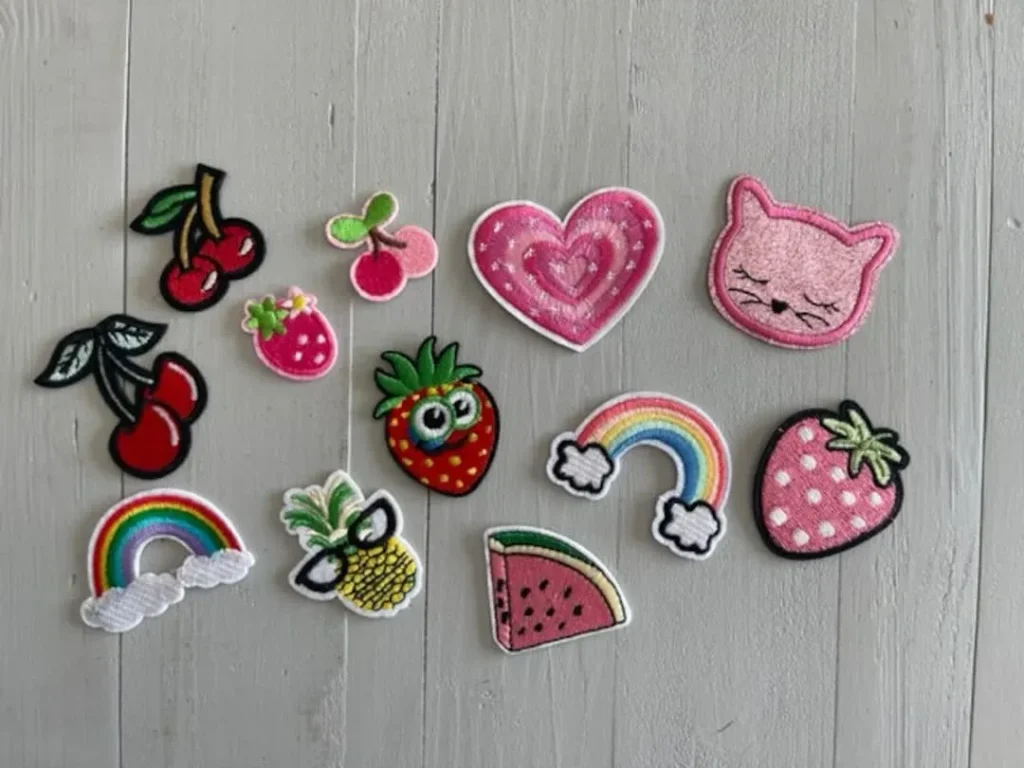
Iron-on embroidered patches offer a fast, accessible way to customize clothing and accessories. Whether you’re choosing iron-on patches or the alternative sew-on patches, the patch application process shapes durability. This guide walks you through fabric prep for patches, iron-on technique tips, heat setting for patches, and placement tips to prevent peeling. Using the right techniques helps you achieve a clean, pro-looking finish without needing advanced sewing skills. By the end, you’ll feel confident applying patches like a pro, with simple steps you can repeat on jackets, backpacks, hats, and more.
If you’re after a quick, adhesive-based option for decoration, stick-on patches offer a fast alternative to traditional sewing. These adhesive-backed patches rely on a heat-activated bond and can be reinforced with light stitching for extra security. As with any patch, start with fabric prep for patches, test on a scrap, and choose an appropriate backing to suit denim, canvas, knit, or leather. Other terms you may encounter include fabric badges, appliqués, or sew-on patches, each emphasizing different methods of attachment and durability. For items that endure frequent washing or heavy wear, a hybrid approach—combining heat-activated attachments with a light sew-on edge—provides long-lasting results.
The ease and speed of iron-on embroidered patches for patch application on everyday fabrics
Iron-on embroidered patches offer a fast path to customize clothing and accessories without advanced sewing skills. By focusing on the iron-on technique, you can achieve a durable bond when you follow the right heat setting and fabric prep steps. This makes the patch application process accessible for denim jackets, backpacks, hats, and other everyday items, while still delivering a pro-looking finish.
Because efficiency matters, many crafters and makers pair iron-on patches with a quick sew-on backup for high-wear areas or items that go through frequent washing. Understanding the patch backing and the fabric you’re working with helps you decide when to rely solely on heat-activated adhesion or add stitching to secure the edges for longevity. A little planning goes a long way toward preventing peeling and curling over time.
Fabric prep for patches: essential steps to ensure durable adhesion
Proper fabric prep for patches is the foundation of a clean, lasting bond. Beginning with clean, smooth fabric—free of lint and dust—helps the adhesive grab evenly. For fabrics like denim, canvas, cotton twill, and polyester blends, stable surfaces ensure the patch stays in place during the heat-activation step.
If you’re patching onto stretch or delicate knits, you may want to rethink the heat approach or consider a sew-on backup. Testing a scrap swatch to dial in heat and pressure is a smart precaution, because different patch backings and fabrics react differently to the same settings. A quick test helps you avoid scorching or weak adhesion on your final garment.
Iron-on technique versus sew-on patches: when to reinforce with stitching
The iron-on technique provides quick adhesion, but durability improves when you reinforce with sewing in the right places. Sew-on patches, or adding a row of stitches around the edge, can significantly extend wear life, especially on elbows, knees, or items that frequently go through washing.
Many crafters blend both methods: apply with heat for speed and then secure the perimeter with stitch work. This approach combines the convenience of iron-on patches with the reliability of sew-on patches, giving you a patch that stays put longer without sacrificing convenience or appearance.
Step-by-step guide to applying iron-on patches: heat, bond, and assess
Step 1 focuses on heat and surface readiness. Set your iron to the patch’s backing recommendations, often a range of 275–350°F, and place parchment paper or a thin cotton cloth over the patch to protect both the patch and fabric. A stable, flat surface helps ensure even contact and consistent adhesion.
Step 2 covers applying heat with even pressure, typically 15–30 seconds per section. Avoid gliding the iron; instead, lift and press to maintain uniform heat distribution. After the heat is applied, allow the patch to cool completely and test adhesion by gently lifting a corner. If it peels, reapply heat with more pressure and continue. For heavier patches, you may need a second pass to secure the edges.
When to switch to sew-on patches: scenarios for choosing durability and longevity
If your item will be washed frequently or subjected to strong wear, switching to sew-on patches—or using a sew-on edge as reinforcement—offers greater security than heat alone. Consider sewing around the entire edge with a tight zigzag or satin stitch to create a durable seal that resists fraying and edge curling.
You can also adopt a hybrid approach: rely on the iron-on method for initial placement and use sewing afterward to bolster edges, especially on curved seams or high-movement areas. This strategy helps you preserve the patch’s appearance while ensuring it holds up under real-world use.
Care, testing, and maintenance: extending patch life after application
To extend patch life, wash items inside-out in cold water and avoid high heat in the dryer. A gentle line-dry or low-heat tumble can prevent heat from weakening the adhesive. If you need to re-press, use a pressing cloth and avoid placing heat directly on top of the patch after it’s applied.
If you notice gaps, curling, or a patch not sticking to certain surfaces, re-test adhesion on a scrap swatch and adjust heat settings or apply a sewing backup. For stretchy fabrics, consider a stabilizer behind the patch to minimize movement during application. Regular care and evaluation of your patch’s performance help you decide when to reinforce with sew-on stitching.
Frequently Asked Questions
What fabrics are best for iron-on embroidered patches, and how does fabric prep for patches affect adhesion?
Iron-on embroidered patches adhere best on stable fabrics like denim, canvas, cotton twill, and polyester blends. Before applying, wash and dry the fabric to remove shrinkage, lint-free the surface, and lay it flat. Do a quick patch adhesion test on scrap to dial in the heat setting for patches and to ensure even adhesion. Proper fabric prep for patches helps prevent curling and improves the lasting bond.
What is the correct patch application process for iron-on embroidered patches and what heat setting should I use?
Set your iron or heat press to the patch backing’s recommended temperature (typically 275–350°F). Place the patch on a flat surface, cover with parchment paper, and press firmly for 15–30 seconds per section without gliding. Let it cool, then test adhesion by gently lifting a corner. If needed, re-press with more pressure for a second pass. For larger patches, work in sections to ensure full adhesion.
Should I reinforce iron-on embroidered patches with sewing, and how does sew-on patches compare for durability?
For high-wear items or frequent washing, reinforce with sewing. After ironing the patch, sew around the edge with a tight zigzag or satin stitch to lock the adhesive in place. This sew-on back-up increases durability, especially on items that experience friction or laundering, and you can opt for sew-on patches when you want a more secure finish.
What common issues can occur with iron-on embroidered patches during patch application and how do you fix them?
Common issues include curling edges or gaps from uneven heat or pressure. Reheat the border with a pressing cloth and apply steady pressure to re-activate the adhesive. Patches may not stick well on velvet, leather, or slick surfaces—use a patch designed for those materials or switch to sewing. If a patch fades after washing, pre-test on scrap and consider sewing for longevity, especially on stretchy fabrics where a stabilizer can help during application.
How should I position iron-on embroidered patches on curved seams or garments worn in multiple directions?
Position patches on a flat, stable surface and use removable fabric markers or chalk to outline the placement. For curved seams or garments worn in multiple directions, temporarily pin the patch to hold its position, then verify alignment from a normal viewing distance before applying with consistent heat and pressure.
When should you choose sew-on patches over iron-on embroidered patches, and can you combine them for durability?
Choose sew-on patches when items undergo frequent washing, heavy use, or are made from fabrics sensitive to heat. You can use the iron-on technique for quick adhesion and then reinforce with a sew-on edge around the patch for durability. Mixing iron-on patches with sewing provides a balance of speed and long-lasting security.
| Topic | Key Points |
|---|---|
| Overview | Iron-on embroidered patches offer a quick, accessible way to customize clothing and accessories and can be paired with sewing for extra durability and a pro-looking result on items like denim jackets, backpacks, or hats. |
| Why they’re popular | Fast to apply, lots of shapes and colors, but require proper fabric prep, correct heat, and careful placement to achieve a clean, long-lasting finish. |
| Tools and materials | Iron or heat press, iron-on patches with sturdy backing, ironing board or flat heat-resistant surface, parchment paper or thin cloth, fabric scissors and a measuring tool, chalk for placement, sewing needle and thread or mini sewing machine (optional for sew-on), and a fabric swatch to test adhesion. |
| Choosing patches & fabrics | Use stable fabrics like denim, canvas, cotton twill, and polyester blends. Avoid delicate knits or stretch fabrics or approach with caution. Check patch backing compatibility and plan for possible stitching reinforcement for frequent washing. |
| Fabric prep & positioning | Wash and dry fabric first; position patch with chalk or removable marker; for curved seams or directional wear, temporarily pin the patch; re-check alignment from a normal viewing distance. |
| Iron-on steps | Prep heat: set iron between ~275–350°F and cover patch with parchment or thin cloth. Apply heat with even pressure for 15–30 seconds per section, without sliding. Let cool and test adhesion, reheat if needed. Optional: sew around the edge for extra durability. |
| Sew-on steps | Thread and needle setup; choose a matching thread and appropriate stitch; sew around the edge with a running stitch or a tight zigzag; backstitch to secure. |
| Combining methods | Apply iron-on for quick adhesion, then reinforce with sewing around the edge, especially in high-wear areas. Use a satin stitch for irregular shapes and ensure stitching doesn’t damage nearby embroidery. |
| Troubleshooting & tips | Gaps or curling? Reheat border with a pressing cloth. Velvet or leather may need alternative methods. If fading after washing, pre-test; for stretch fabrics, use stabilizer and avoid high heat. |
| Care tips | Wash inside-out in cold water; air-dry or low heat drying. Avoid ironing directly on patches; if needed, use a pressing cloth. |
| Creative ideas & uses | Create themed jackets, backpack patches with names, or mix patches to tell a story about hobbies and interests; plan layout ahead for a professional look. |
| Conclusion | Mastering iron-on embroidered patches opens up endless DIY possibilities, enabling fast, stylish customization. With proper fabric prep, heat control, and a bit of practice, you can apply patches like a pro and know when to add sew-on reinforcement for longevity on high-wear items. |
Summary
{